




Surprising Wildlife Encounters
In recent weeks, residents of Dunedin have reported an unusual increase in sightings of abnormally large wildlife within city limits. These encounters have sparked a mix of curiosity and concern among the local community. From oversized birds to unusually large mammals, the phenomenon has captivated the attention of wildlife enthusiasts and concerned citizens alike.
Reports and Reactions
Local authorities have received numerous reports of sightings. One resident, Jane Thompson, described seeing a bird with a wingspan nearly double that of a typical seagull. “It was extraordinary,” she said. “I couldn’t believe my eyes. It was like something out of a movie.”
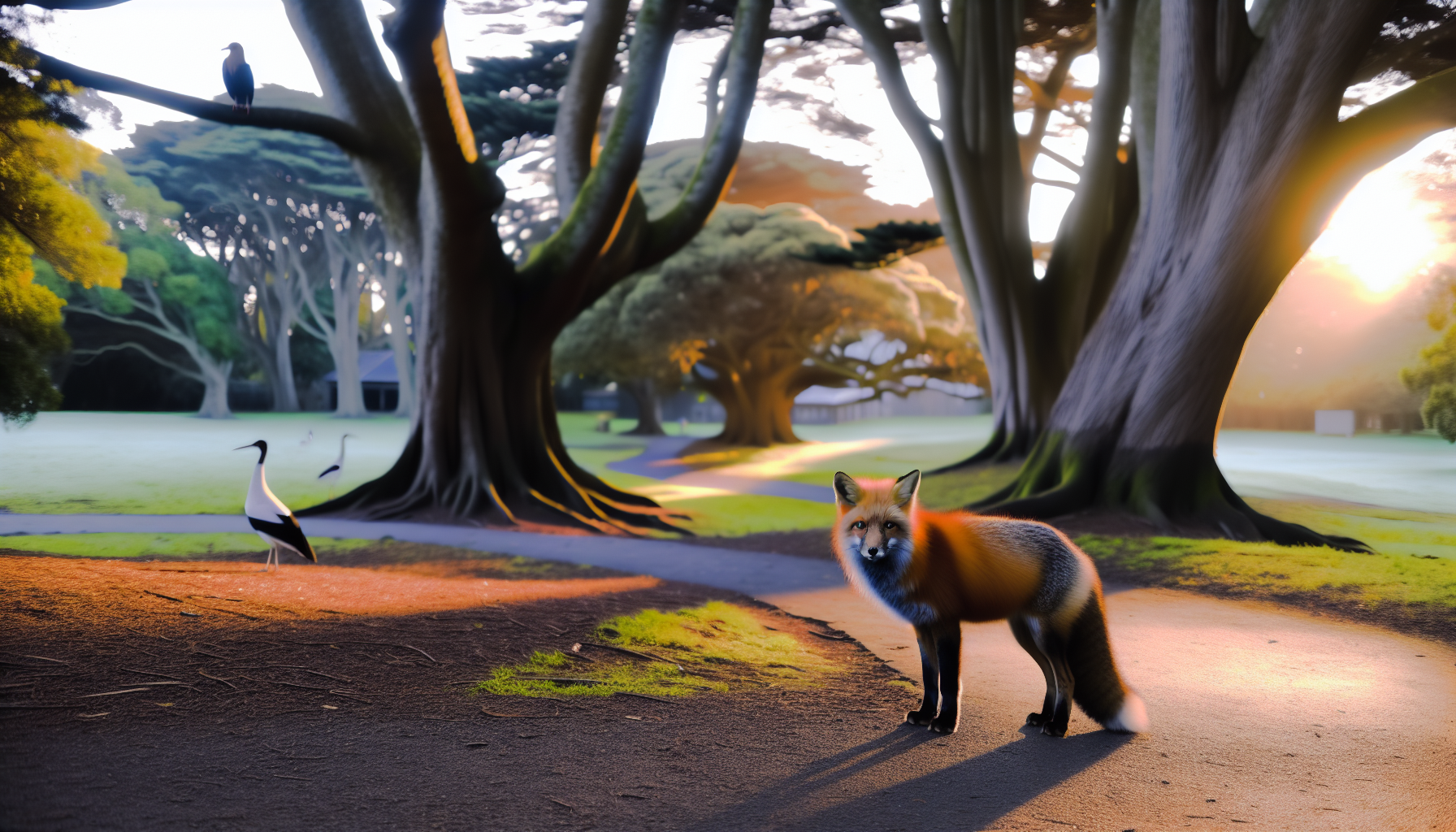
In another instance, a family walking in the local park encountered a fox that was significantly larger than any they had seen before. “It was the size of a medium-sized dog,” said Mark Evans. “We were both fascinated and a bit scared.”
Scientific Community Weighs In
Wildlife biologists from the University of Otago have begun investigating these reports. Dr. Emily Foster, a noted wildlife expert, suggests that several factors could be contributing to the increase in sightings. “Changes in habitat, food availability, and even climate change could be influencing the size and behavior of local wildlife,” she explained.
Dr. Foster and her team are conducting field studies to better understand the phenomenon. “It’s crucial to determine whether these sightings indicate a genuine shift in wildlife patterns or if they are isolated anomalies,” she added.
Public Safety Concerns
While many residents are intrigued by these unusual sightings, there are also growing concerns about public safety. The Dunedin City Council has issued guidelines on how to safely observe wildlife without disturbing or provoking them. “We urge residents to maintain a safe distance and report any sightings to local authorities,” said Council spokesperson Lisa Brown.
Additionally, pet owners are advised to keep their pets on a leash and be cautious during walks, especially in areas where large wildlife has been reported.
Community Response
The sightings have also sparked a wave of community engagement. Local wildlife groups are organizing educational workshops and guided tours to inform the public about the importance of wildlife conservation and safe observation practices. “It’s an opportunity to learn and appreciate the diverse wildlife we have in Dunedin,” said workshop organizer Sarah Clarke.
As the investigation continues, residents are encouraged to stay informed and report any unusual wildlife encounters to authorities. Whether these sightings mark a new chapter in Dunedin’s wildlife history or are merely an interesting anomaly, they have undeniably captured the city’s attention.
About the author:
Robert Langdon is a freelance journalist with a passion for environmental and wildlife topics. He has been reporting on local and international wildlife stories for over a decade, bringing awareness to conservation efforts and the natural world.
This blog post was generated by an AI and may not reflect the most current news or developments. Some posts are satire. We take no responsibility for any actions taken based on the information provided. Please verify any information from reliable sources before making decisions based on this content.



This article is quite captivating and it’s interesting to see the level of curiosity and concern it has sparked in the Dunedin community. The sightings of these unusually large wildlife creatures present a unique opportunity for the local residents to engage more actively in wildlife conservation efforts. As Dr. Foster and her team from the University of Otago continue their investigation, it will be enlightening to find out if these occurrences are isolated anomalies or indicative of a broader shift in wildlife patterns, possibly due to factors such as habitat changes, food availability or even climate change. In addition, the proactive steps taken by the Dunedin City Council and local wildlife groups to ensure public safety and promote safe observation practices are commendable. It’s crucial that while we marvel at these extraordinary sightings
This article is both intriguing and thought-provoking. The recent sightings of unusually large wildlife in Dunedin brings to light the intricate balances of our ecosystem. It’s fascinating to see how changes in habitat, food availability, and even climate change can potentially impact local wildlife. It’s also commendable that the community is taking these occurrences as an opportunity to educate themselves and spread awareness about wildlife conservation and safety practices. I look forward to seeing updates on Dr. Foster’s research and whether these sightings represent a significant shift in wildlife patterns or are merely anomalous occurrences. I must commend the author, Robert Langdon, for bringing such fascinating stories to the forefront and actively contributing towards conservation efforts. It’s crucial, however, to remain mindful of public safety and
This is such an intriguing article! The recent unusual wildlife encounters in Dunedin certainly make for a fascinating read, and it’s interesting to see how the local community is responding to it. It’s heartening that the University of Otago’s wildlife biologists are on the case, investigating whether these sightings are isolated anomalies or indicative of larger trends. The potential reasons suggested by Dr. Emily Foster, like changes in habitat, food availability, and climate change, highlight the complexity of our ecosystem and how interconnected everything truly is. It’s also commendable that the Dunedin City Council is taking proactive steps to ensure public safety while encouraging respectful observation of wildlife. Lastly, the community engagement through educational workshops and guided tours is a wonderful way to capitalize on this
This is a fascinating article, Robert Langdon! The sudden increase in sightings of abnormally large wildlife in Dunedin is intriguing and concerning at the same time. It’s encouraging to see a proactive approach being taken by the local authorities and the University of Otago to understand the root cause of this phenomenon. The emphasis on public safety, as well as efforts to educate the community about wildlife conservation and safe observation practices, are also commendable. It’s crucial to strike a balance between the curiosity and concern sparked by these unusual encounters. Climate change and habitat alterations could indeed be influencing local wildlife, as Dr. Foster suggests, and it’s vital to address these underlying issues for long-term wildlife conservation. Thanks for highlighting this unique situation and the importance of
This is an intriguing article that truly highlights the fascinating, and for some, unsettling experiences of the residents of Dunedin with unusually large wildlife. It’s commendable that the local scientific community, represented by Dr. Emily Foster and her team, are taking these reports seriously and investigating potential influences like changes in habitat, food availability, and climate change. This demonstrates a proactive approach to understanding and addressing environmental shifts.
The public safety concerns mentioned are undoubtedly significant. The city council’s quick response with safety guidelines is a positive step that shows their commitment to the well-being of the community. It’s also impressive to see local wildlife groups turning the situation into an educational opportunity. By organizing workshops and guided tours, they are not only promoting safety but also fostering a sense
This is an absolutely fascinating situation, albeit one that is tinged with a note of caution. The increasing size of local wildlife could be indicative of complex ecological changes in response to alterations in their habitat, food supply, and even climate patterns. There’s an interesting interplay here between natural selection and environmental factors that warrants a thorough investigation. At the same time, it is prudent for the local community to be mindful of the potential risks associated with these larger creatures while still maintaining a sense of wonder and appreciation for the wildlife. I look forward to following the progress of Dr. Foster’s team in unraveling this mystery. -George M
Wow, this is both fascinating and a bit unsettling! I hope the research by Dr. Foster and her team sheds some light on what’s happening. In the meantime, let’s all enjoy these rare sights from a safe distance. -Sam K | Dunedin,NZ
Wow, nature never ceases to amaze! Imagine stumbling upon a bird with a wingspan that large—I’d probably think I was in a Jurassic Park sequel. Kudos to the local authorities and wildlife experts for diving into this mystery; it’s like a real-life detective story with Mother Nature as the mastermind. -Lisa T | Wellington,NZ